SATA Hard Drives
Hot-plug and internal SATA drives across every generation from SATA I to SATA III
About SATA Hard Drives
SATA hard drives cover the widest span of any drive type we carry — from 1.5Gb/s drives pulled from mid-2000s workstations through to 6Gb/s nearline drives still shipping in current servers. That breadth is useful when you are keeping older equipment running, but it does mean the label "SATA" on its own is not enough to order by.
The three SATA generations
- SATA I (1.5Gb/s) — earliest generation, still common in legacy desktops and early ProLiant and PowerEdge machines
- SATA II (3Gb/s) — the most heavily represented generation in our catalogue
- SATA III (6Gb/s) — current generation, used by higher-capacity nearline drives
The generations are backward compatible in both directions: a 6Gb/s drive will run in a 3Gb/s port and negotiate down to the slower link rate. Interface generation is therefore rarely the thing that blocks a fit — form factor and mounting usually are.
Rotational speed
Most drives here are 7200RPM. A significant number are 5400RPM, which is typical of 2.5-inch and low-power drives and trades throughput for heat and noise. A small number of SATA drives run at 10000RPM. Where a workload is IOPS-bound rather than capacity-bound, SAS is usually the better answer — see our SAS hard drives.
Hot-plug drives need the right caddy
Server-pull SATA drives are frequently hot-pluggable, which means they were mounted in a carrier specific to the chassis generation. The bare drive will not seat in a hot-plug bay without the matching tray. If you are filling server bays, check our Dell and HP caddy pages before ordering.
Capacity, speed and interface alone do not always settle whether a drive will be recognised cleanly by a given RAID controller. Send us the server model or the part number you are replacing and we will confirm the match.
Featured SATA Hard Drives Products
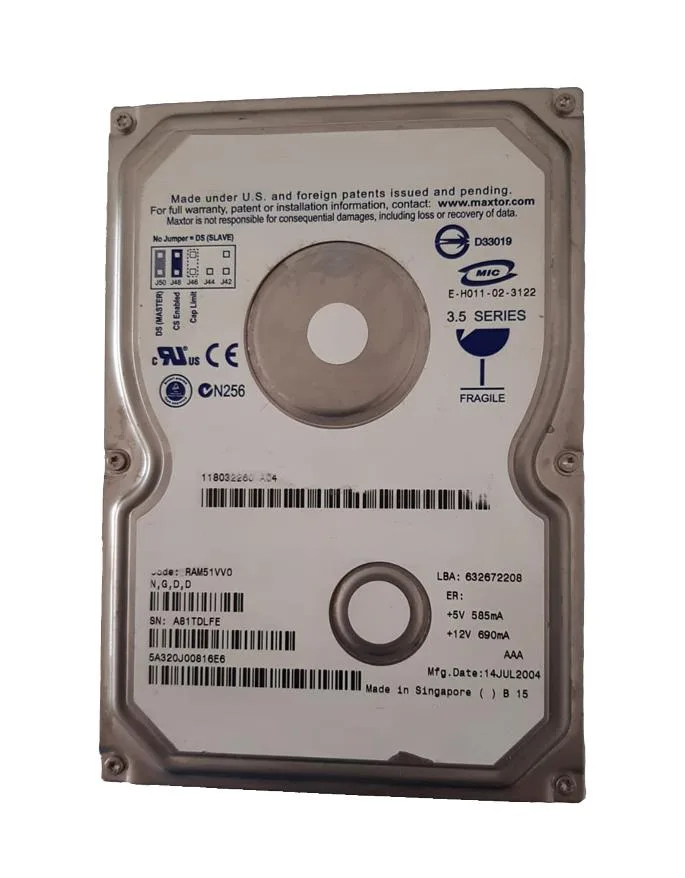 632672208 - IBM 320GB SATA Hard Drive
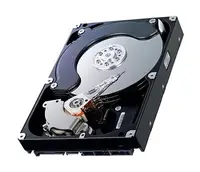 42T1842 - Lenovo 160GB SATA Hard Drive$362.97
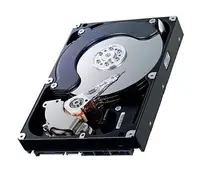 CB50667907 - HP 80GB SATA Hard Drive$104.89
 JE277A - HP 250GB SATA Hard Drive$1,057.42
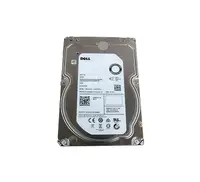 U7503 - Dell 250GB SATA Hard Drive$239.57
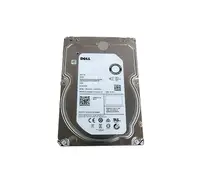 K608F - Dell 250GB SATA Hard Drive$200.44
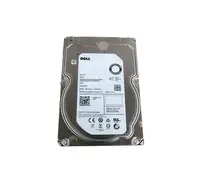 HX569 - Dell 160GB SATA Hard Drive$127.25
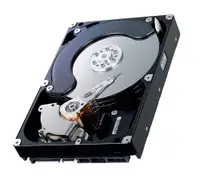 0U7503 - Dell 250GB SATA Hard Drive$258.25
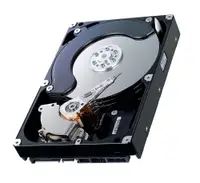 0HX569 - Dell 160GB SATA Hard Drive$206.25
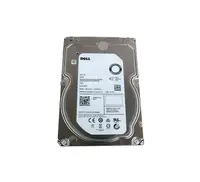 R7829 - Dell 80GB SATA Hard Drive$157.81
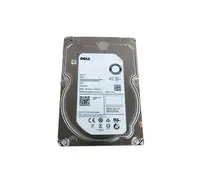 N938C - Dell 80GB SATA Hard Drive$72.78
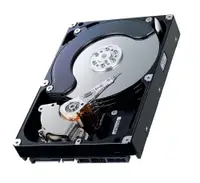 0R7829 - Dell 80GB SATA Hard Drive$148.22
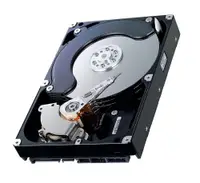 0N938C - Dell 80GB SATA Hard Drive$112.59
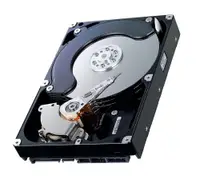 0K608F - Dell 250GB SATA Hard Drive$198.08
 00WJ9P - Dell EqualLogic SATA Hard Drive Caddy$191.63
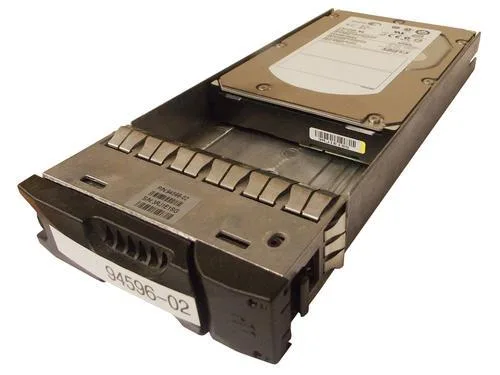 0WJ9P - Dell EqualLogic SATA Hard Drive Caddy$193.33
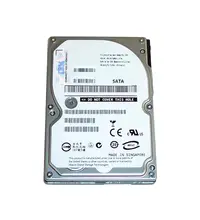 41T1496 IBM 80GB 5400RPM SATA Hard Drive$73.35
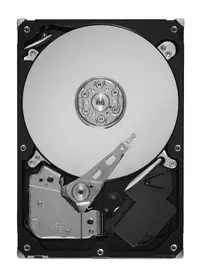 23R2971 - IBM 320GB 7200RPM SATA Hard Drive
Browse all 108,698 SATA Hard Drives SKUs.
Most-searched SATA Hard Drives part numbers
The SATA hard drives that US buyers look up most often on Google, from our own Search Console data. Every part listed is priced, photographed and in stock as of 7 October 2026.
| Part number | Description | Price |
|---|---|---|
| HUH721010ALE604 | HGST Ultrastar DC HC510 10TB 7200RPM SATA 6Gb/s 256MB Cache 3.5-inch Hard Drive | $232.00 |
| WD3003FZEX | Western Digital Black 3TB 7200RPM SATA 6Gb/s 64MB Cache 3.5-inch Hard Drive | $76.00 |
| 9CA158-301 | Seagate BarraCuda ES.2 1TB 7200RPM SATA 3Gb/s 32MB Cache 3.5-inch Hard Drive | $427.24 |
| ST3100528AS | Seagate Barracuda 7200.12 1TB 7200RPM SATA 3Gb/s 32MB Cache 3.5-inch Hard Drive | $121.60 |
| 0GCHH1 | Dell 4TB 7200RPM SATA 6Gb/s 64MB Cache 3.5-inch Hard Drive with Tray | $234.45 |
| XPJ47 | Dell 4TB 7200RPM SATA 6Gb/s 3.5-inch Hard Drive | $224.00 |
| HE253GJ | Samsung Spinpoint F3R 250GB 7200RPM SATA 3GB/s 3.5-inch 16MB Cache Internal Hard Drive | $36.00 |
| ST31000528AS | Seagate BarraCuda 7200.12 1TB 7200RPM SATA 3Gb/s 32MB Cache 3.5-inch Hard Drive | $148.00 |
| 400-AXZH | Dell 14TB SATA 6Gb/s 7200RPM 256MB Cache 512e 3.5-inch Hot-Pluggable Hard Drive | $644.00 |
| 9RZ164-003 | Seagate Constellation.2 500GB 7200RPM SATA 6Gb/s 64MB Cache (CE) SFF 2.5-inch Hard Drive | $112.00 |
| 400-AUYJ | Dell 1TB 7200RPM SATA 6Gb/s 512n Hot-Pluggable 2.5-inch Hard Drive with Tray for PowerEdge FC640 / M640 Server | $359.35 |
| 400-BDKV | Dell 12TB 7200RPM SATA 6Gb/s Hot-Pluggable 3.5-inch Hard Drive | $792.21 |
SATA Hard Drives in stock, by capacity
Live count of SATA hard drives that are priced, photographed and ready to ship, taken from our own catalogue on 7 October 2026. Prices are what you pay, not a list price.
| Capacity | Drives available | Price range | Average |
|---|---|---|---|
| 60GB | 660 | $37.79 – $478.72 | $160.95 |
| 80GB | 2,666 | $39.72 – $1,153.68 | $154.88 |
| 120GB | 1,665 | $39.05 – $782.19 | $174.19 |
| 160GB | 3,512 | $35.00 – $1,795.27 | $176.13 |
| 250GB | 3,646 | $36.00 – $1,720.78 | $190.90 |
| 320GB | 2,563 | $35.00 – $5,529.99 | $208.17 |
| 500GB | 4,904 | $38.40 – $4,784.42 | $222.69 |
| 750GB | 1,514 | $48.68 – $4,631.47 | $249.71 |
| 1TB | 3,807 | $38.40 – $4,107.43 | $259.39 |
| 2TB | 2,178 | $46.40 – $6,123.21 | $329.25 |
| 3TB | 959 | $73.60 – $5,612.11 | $391.26 |
| 4TB | 701 | $76.00 – $8,653.13 | $411.16 |
Need several of one capacity? Paste the part numbers into the quick order pad, or ask for a bulk quote.