AMD EPYC Server Processors
High core count, high performance server CPUs — 7002 Rome, 7003 Milan, 9004 Genoa
About EPYC Processors
AMD EPYC processors have disrupted the server market with superior core counts, PCIe lane density, and performance-per-dollar that Intel Xeon struggles to match. From single-socket edge deployments to dual-socket HPC clusters, EPYC delivers.
We carry the full AMD EPYC server CPU lineup across all generations:
EPYC Generation Guide
- EPYC 7002 (Rome) — 7nm, up to 64 cores, PCIe Gen4, DDR4, SP3 socket
- EPYC 7003 (Milan/Milan-X) — 7nm+, up to 64 cores, improved IPC, V-Cache option
- EPYC 9004 (Genoa) — 5nm, up to 128 cores, PCIe Gen5, DDR5, SP5 socket
- EPYC 9004 (Bergamo) — Cloud-optimized, up to 128 cores, high thread density
EPYC processors require SP3 (7002/7003) or SP5 (9004) socket motherboards. Check Supermicro or vendor-specific parts pages for compatible platforms.
Featured EPYC Processors Products
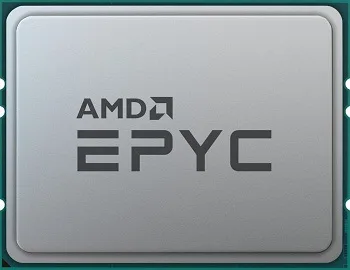 100-000000317 - Amd EPYC 74F3 3.2GHz 24C 240W Processor$1,270.40
 100-000000045 - Amd Rome EPYC 7502P 2.5GHz 32-Core Processor$1,584.00
 2U4G-EPYC - ASRock 2U Rackmount 2U4G AMD EPYCΓäó 7000 series processor 64GB
 2U4G-EPYC-2T - ASRock 2U Rackmount 2U4G AMD EPYCΓäó 7000 series processors
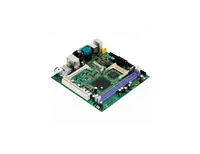 MZ01-CE1 - Gigabyte ATX AMD EPYC 7003 Series Processor DDR4 Socket SP3 Server
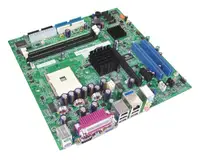 MZ01-CE0 - Gigabyte ATX AMD EPYC 7003 Series Processor DDR4 Socket SP3 Server
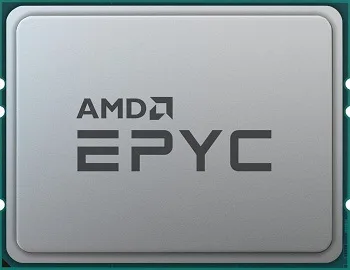 100-000000054 - AMD EPYC 7502 2.5GHz 128MB L3 Cache Socket SP3 32-Core Processor$1,708.00
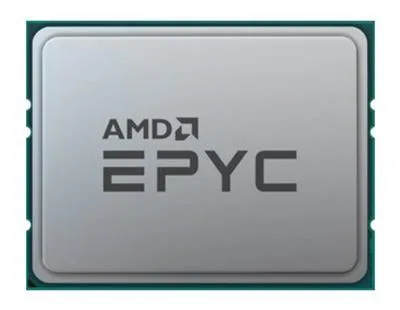 100-000000054WOF - AMD EPYC 7502 2.5GHz 128MB L3 Cache Socket SP3 32-Core$5,272.95
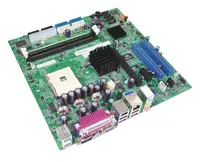 EPYC3251D4I-2T - AsRock MiniITX AMD EPYC 3251 DDR4 Motherboard
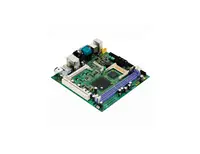 MZ32-AR0 - Gigabyte E-ATX AMD EPYC 7003 Series Processor DDR4 Socket SP3 Server
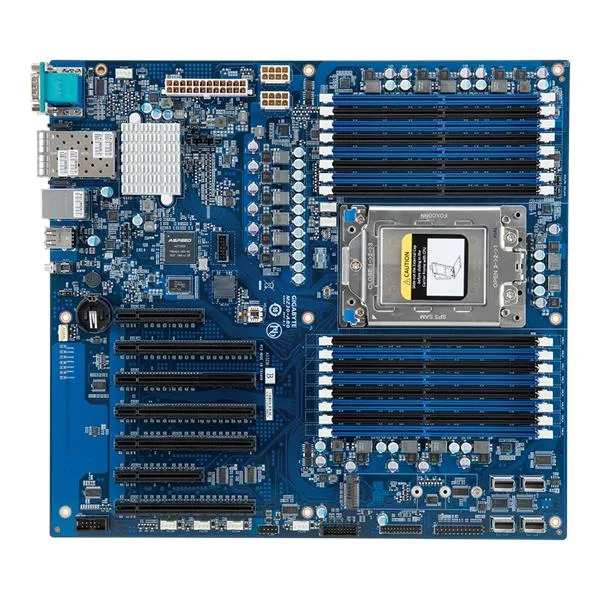 MZ31-AR0 - Gigabyte E-ATX AMD EPYC 7003 Series Processor DDR4 Socket SP3 Server
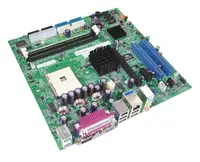 MJ11-EC0 - Gigabyte mini-ITX AMD EPYC 3151 SoC Processor DDR4 Socket SP4r2
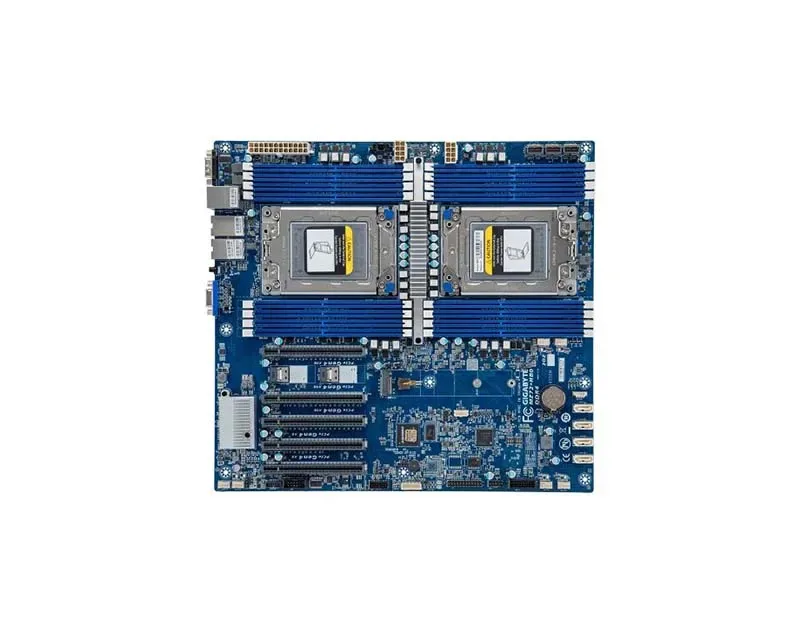 MZ72-HB0 - Gigabyte E-ATX AMD EPYC 7003 Series Processor DDR4 Socket SP3 Server
 MZ71-CE0 - Gigabyte E-ATX AMD EPYC 7003 Series Processor DDR4 Socket SP3 Server
 MZ71-CE1 - Gigabyte E-ATX AMD EPYC 7003 Series Processor DDR4 Socket SP3 Server
 ASRock 1U12XL-EPYC/2T2E 1U Rackmount 1U12XL AMD EPYCΓäó 7002 and 7001 series
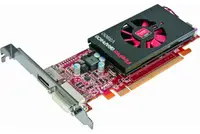 ASRock 1U12XL-EPYC/2T 1U Rackmount 1U12XL AMD EPYCΓäó 7002 and 7001 series
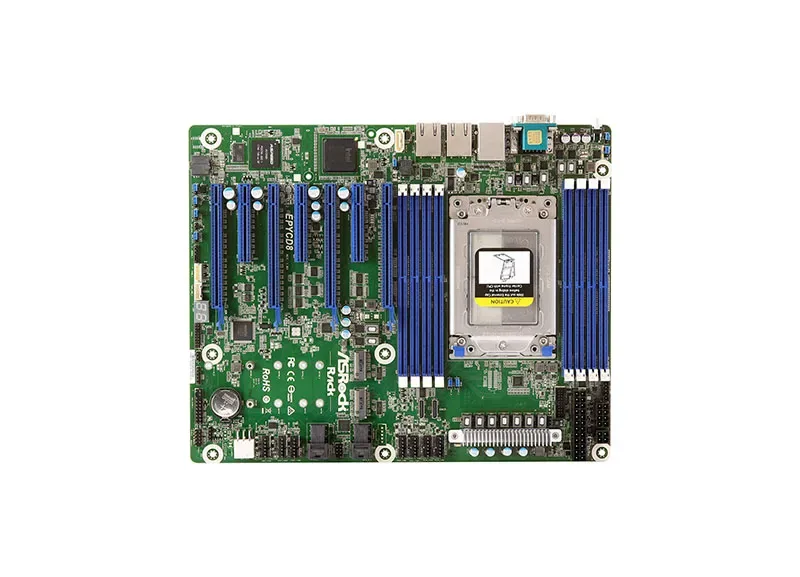 EPYCD8 - AsRock ATX AMD EPYC 7002/7001 DDR4 LGA-4049 Motherboard
Browse all 3,006 EPYC Processors SKUs.
Frequently Asked Questions
AMD EPYC vs Intel Xeon — which is better?
EPYC typically offers more cores per dollar, more PCIe lanes (128 vs 80), and better multi-threaded performance. Intel Xeon has advantages in single-thread performance (some workloads), broader software ecosystem validation, and established enterprise support. For virtualization, HPC, and cloud workloads, EPYC is often the better value. For legacy enterprise applications with Intel optimization, Xeon may be preferred.
What is the difference between EPYC 7003 and 9004?
EPYC 7003 (Milan) uses 7nm process, DDR4 memory, PCIe Gen4, and SP3 socket with up to 64 cores. EPYC 9004 (Genoa) uses 5nm, DDR5 memory, PCIe Gen5, SP5 socket, and up to 128 cores. The 9004 is not backward compatible — it requires a new motherboard with SP5 socket.