Intel Xeon Processors — Server & Workstation CPUs
Scalable, Xeon E, and Xeon W processors for every server workload
About Xeon Processors
Intel Xeon processors have powered enterprise servers for over two decades. From single-socket entry servers to 8-socket mission-critical platforms, the Xeon lineup covers every server and workstation workload with proven reliability and broad ecosystem support.
We carry Xeon processors across all current and previous generations — whether you need a 5th Gen Scalable (Emerald Rapids) for a new build or a replacement Xeon E5-2680 v4 for an existing platform, we have it in stock.
Intel Xeon Processor Families
- Xeon Scalable 5th Gen (Emerald Rapids) — Up to 64 cores, DDR5, PCIe 5.0. The flagship for new enterprise deployments.
- Xeon Scalable 4th Gen (Sapphire Rapids) — Up to 60 cores, DDR5, PCIe 5.0. Excellent value as 5th Gen arrives.
- Xeon Scalable 3rd Gen (Ice Lake) — Up to 40 cores, DDR4, PCIe 4.0. Strong refurbished market value.
- Xeon E-2400 series — Entry server/workstation, single-socket, up to 8 cores. Cost-effective for SMB.
- Xeon W-3400/2400 — Workstation-class with ECC support, up to 56 cores. CAD, simulation, data science.
Not sure which Xeon fits your workload? Ask our team — we help match processor specifications to real-world performance requirements every day.
Featured Xeon Processors Products
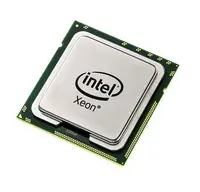 WK714 - Dell 1.6GHz Intel Xeon Processor$109.48
 0WK714 - Dell 1.6GHz Intel Xeon Processor$111.98
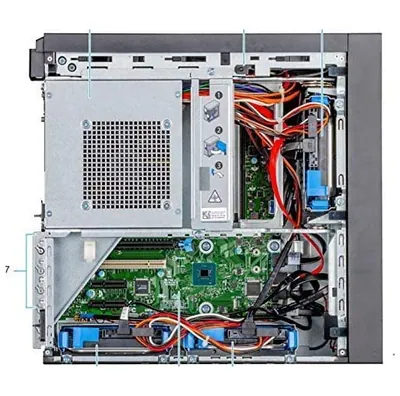 TD120 - Dell 2.8GHz Intel Xeon Processor$144.00
 DY255 - Dell 3GHz Intel Xeon Processor$124.01
 DY219 - Dell 3GHz Intel Xeon Processor$98.23
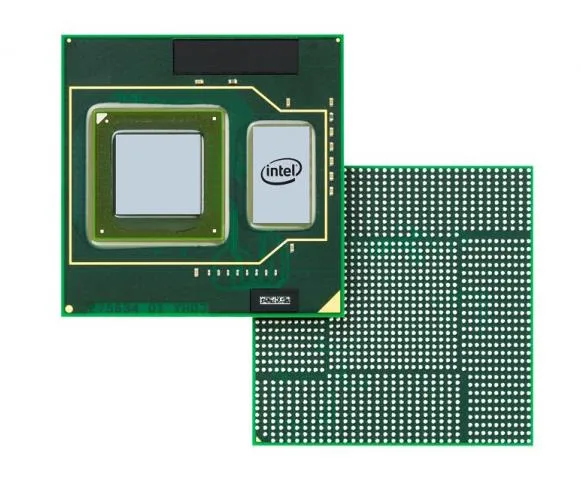 0TD120 - Dell 2.8GHz Intel Xeon Processor$87.81
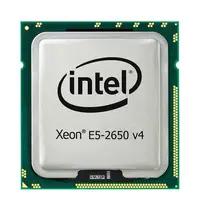 0DY255 - Dell 3GHz Intel Xeon Processor$124.01
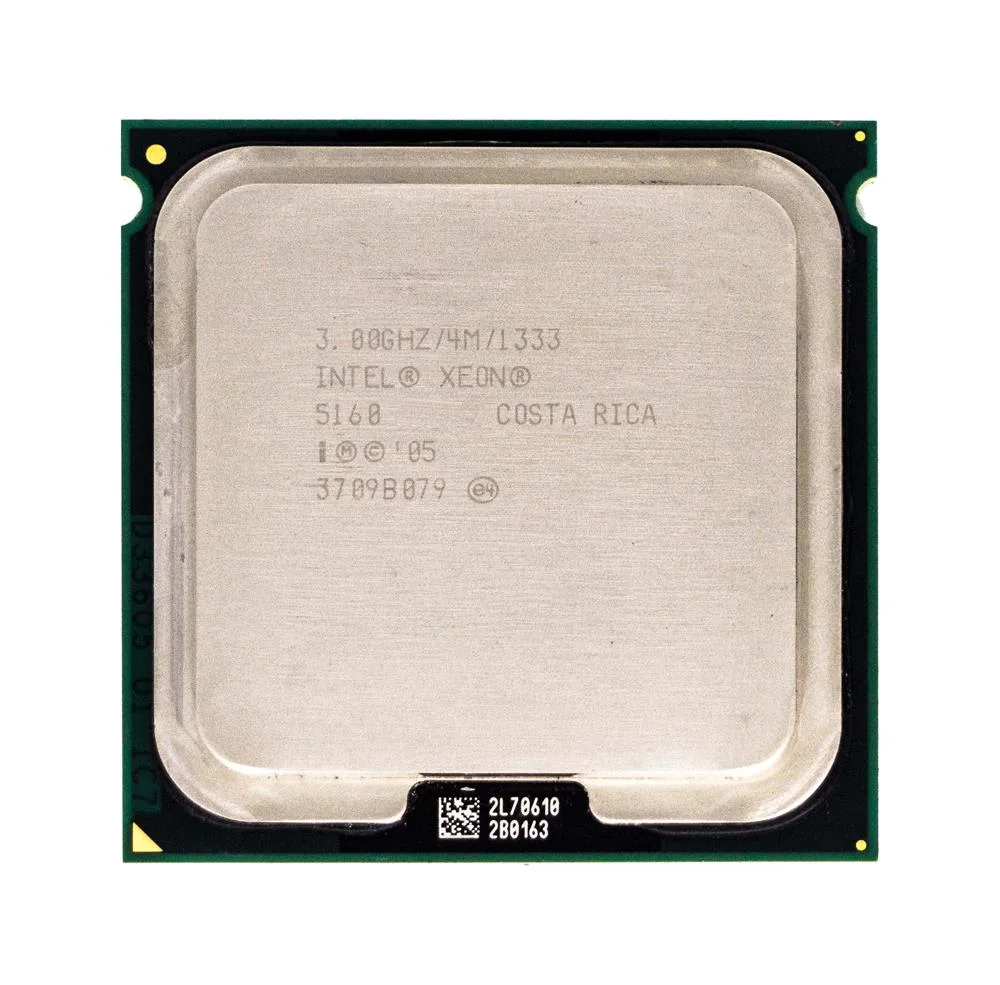 0DY219 - Dell 3GHz Intel Xeon Processor$139.67
 8J592 - Dell 1.8GHz Intel Xeon Processor$91.43
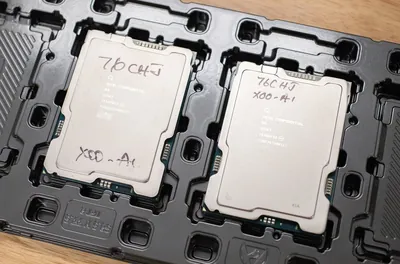 08J592 - Dell 1.8GHz Intel Xeon Processor$107.04
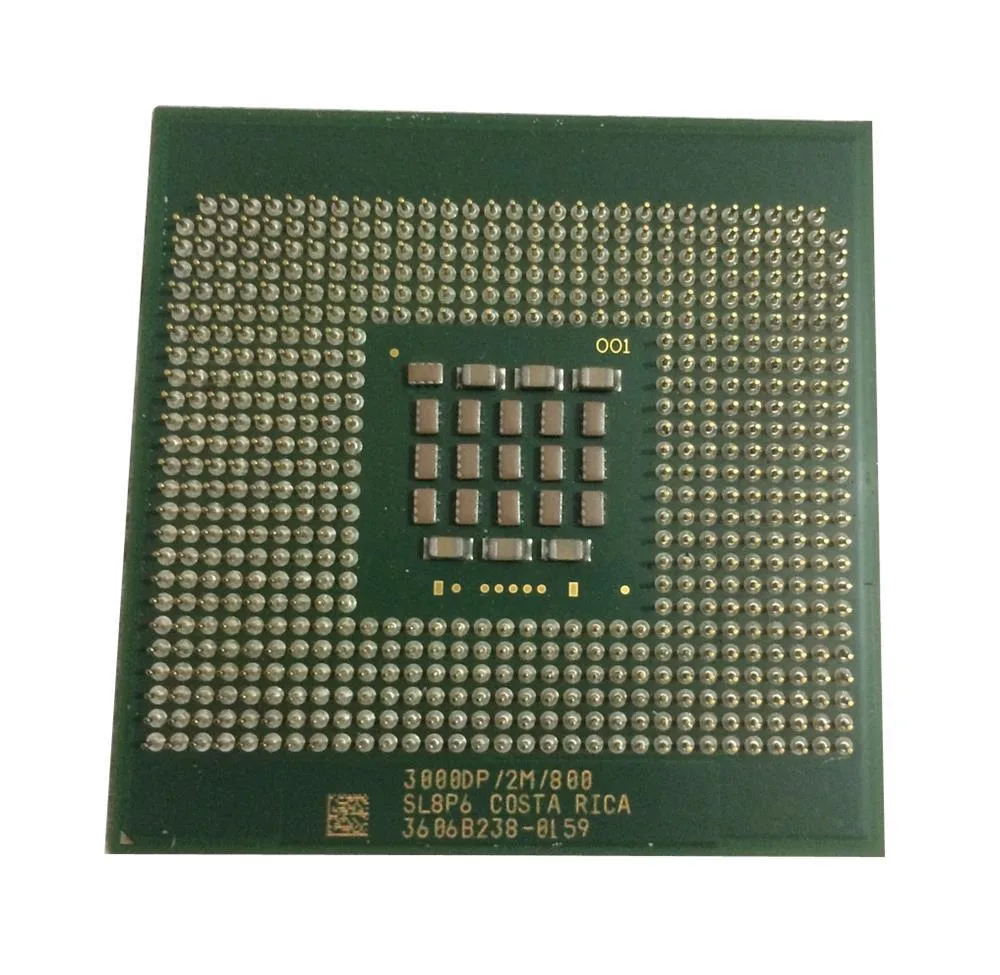 R8215 - Dell 3GHz Intel Xeon Processor$83.55
 0R8215 - Dell 3GHz Intel Xeon Processor$113.62
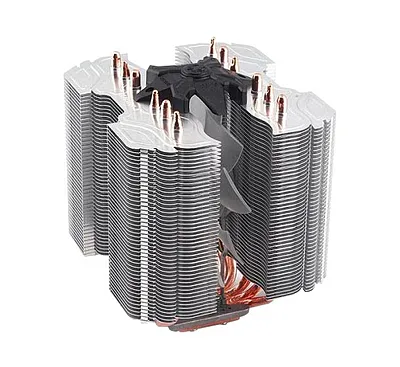 00KC908 - Lenovo Heatsink for Intel Xeon Processor$167.22
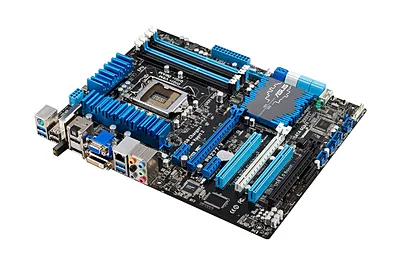 F54244M - IBM Intel Xeon Processor Heat Sink$161.72
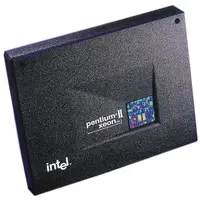 8979D - Dell 400MHz 512K Intel Xeon Processor$141.29
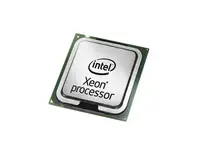 08979D - Dell 400MHz 512K Intel Xeon Processor$104.56
 GH378 - Dell 2.8GHz 800MHz Intel Xeon Processor$78.61
 0GH378 - Dell 2.8GHz 800MHz Intel Xeon Processor$106.80
Browse all 49,183 Xeon Processors SKUs.
Frequently Asked Questions
What is the difference between Xeon Gold and Platinum?
Xeon Gold processors (53xx/63xx) support up to 2 sockets with moderate core counts and features. Xeon Platinum (83xx/84xx) supports up to 4-8 sockets, higher core counts, larger caches, and advanced features like Intel SGX and Speed Select Technology. For most 2-socket servers, Gold provides better value. Platinum is for large-scale mission-critical deployments.
Can I upgrade my server CPU from Xeon v3 to v4?
No. Each Xeon generation uses a different CPU socket. Xeon v3 uses LGA 2011-3, v4 also uses LGA 2011-3 (compatible within Gen), but Scalable Gen1/2 use LGA 3647, and Gen3+ use LGA 4189 or LGA 4677. You can only upgrade within the same socket generation. Check your motherboard documentation.
Intel Xeon vs AMD EPYC — which is better for servers?
Both are excellent. AMD EPYC currently offers more cores per dollar and higher memory bandwidth (8-channel vs Xeon 8-channel in Gen5). Intel Xeon has broader ecosystem support, more validated platforms, and advantages in specific workloads (AVX-512, Intel QuickAssist). Choose based on your specific workload, existing ecosystem, and vendor support preferences.
How many VMs can a Xeon processor handle?
A general rule: plan 1 vCPU per physical core for normal workloads, up to 3-5 vCPUs per core for light workloads. A 24-core Xeon Gold can comfortably run 24-72 VMs depending on workload intensity. Memory is usually the limiting factor before CPU in virtualization deployments.