Server PCIe Riser Cards — Expansion Riser Boards
Riser cards and boards for Dell, HP, Lenovo, and IBM rack servers
About Server Riser Cards
A PCIe riser card turns the limited vertical space of a rack server into usable expansion slots. Because a 1U or 2U chassis is too short to seat add-in cards upright, the riser plugs into the motherboard's riser connector and presents the PCIe lanes horizontally — letting you install RAID controllers, network adapters, GPUs, HBAs, and NVMe cards parallel to the board. We stock riser cards for Dell PowerEdge, HP ProLiant, Lenovo ThinkSystem/ThinkServer, and IBM System x.
Risers are position- and configuration-specific. A server typically has multiple riser slots — commonly labelled Riser 1, Riser 2, and Riser 3 — and each accepts a different riser board depending on how many slots you need, their electrical width (x8 vs x16), and connector type. The riser you order must match your server model, generation, and the riser position you are populating.
Common Riser Card Fitments
- HP ProLiant DL380 Gen9 / Gen10 — primary, secondary, and tertiary PCIe risers (the most-stocked riser family)
- HP ProLiant DL360 Gen9 / Gen10 — low-profile 1U risers
- Dell PowerEdge R620 / R630 / R730 / R740 — Riser 1/2/3 boards in x8 and x16 configurations
- IBM / Lenovo System x3650 / x3550 — PCIe riser assemblies for M4/M5 chassis
- Lenovo ThinkServer — riser cards for RD/TD-series rack servers
Not sure which riser position you need? Send us your server model and service tag and we will match the exact riser board and slot configuration.
Featured Server Riser Cards Products
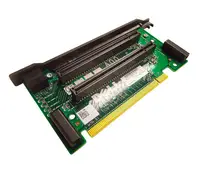 0D1721 - Dell PE6600-6650 Server PRPHL Riser Card$115.58
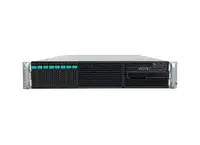 0CY3R8 - Dell Riser Card for PowerEdge R630 Server$273.91
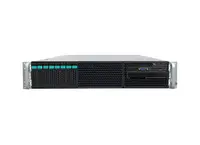 CY3R8 - Dell Riser Card for PowerEdge R630 Server$189.47
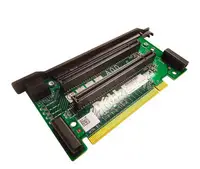 08P5T1 - Dell Riser Card for PowerEdge R520 Server$128.95
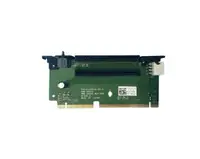 0MPGD9 - Dell Riser Card for PowerEdge R720XD Server$85.82
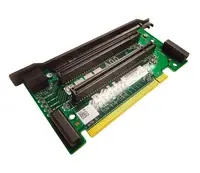 D1721 - Dell PE6600-6650 Server PRPHL Riser Card$73.68
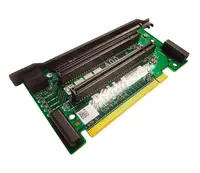 5G4C6 - Dell Riser Card for PowerEdge R920 Server$642.43
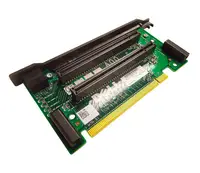 0WPX19 - Dell Riser Card for PowerEdge R620 Server$128.95
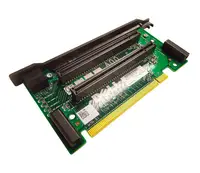 07MCT3 - Dell Riser Card for PowerEdge R920 Server$1,902.47
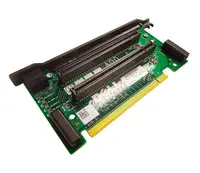 05G4C6 - Dell Riser Card for PowerEdge R920 Server$642.43
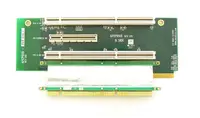 7MCT3 - Dell Riser Card for PowerEdge R920 Server$1,902.47
 MPGD9 - Dell Riser Card for PowerEdge R720XD Server$73.68
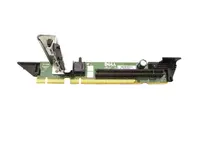 WPX19 - Dell Riser Card for PowerEdge R620 Server$128.95
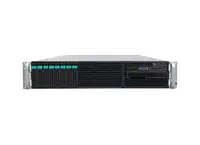 8P5T1 - Dell Riser Card for PowerEdge R520 Server$128.95
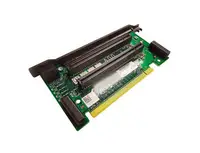 0542D7 - Dell Riser Card Assembly for PowerEdge R430 Server$1,172.29
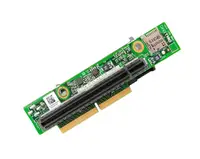 05WGP0 - Dell Slot4 Riser Card for PowerEdge C642 Server$943.37
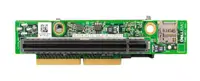 5WGP0 - Dell Slot4 Riser Card for PowerEdge C642 Server$176.84
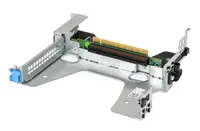 542D7 - Dell Riser Card Assembly for PowerEdge R430 Server$1,172.29
Browse all 2,208 Server Riser Cards SKUs.