Netgear Wireless Access Points — Business WiFi & Legacy Replacements
PoE-powered 802.11ac WAC series, legacy WG/WNDAP replacements, and WiFi 6 WAX for business networks
About Wireless Access Points
When a ceiling-mounted access point that went end-of-sale years ago finally dies, the choice is stark: track down a like-for-like replacement or re-engineer WiFi for the whole site. We keep both paths open with 330 Netgear wireless access point SKUs — current 802.11ac business models alongside the legacy units still running warehouses and retail floors.
The core of the range is the WAC series (39 SKUs): Insight-manageable WAC505 and WAC510, the tri-band WAC540, the ProSafe-class WAC730, and the compact WAC120 — PoE-powered 802.11ac hardware that mounts wherever the Ethernet drop already runs, with or without cloud management. For exact-match swaps we also hold 42 WG-era SKUs (WG302, WG602 and related models) and 13 WNDAP dual-band 802.11n units, plus a small allocation of WAX WiFi 6 APs for high-density upgrades.
Netgear Wireless Stock at a Glance
- WAC 802.11ac business APs — 39 SKUs: WAC120, WAC505, WAC510, WAC540, WAC730; standalone or Insight-managed
- Legacy WG series — 42 SKUs for aging retail and warehouse installs that need drop-in spares
- WNDAP dual-band 802.11n — 13 SKUs for fleet-matched replacements
- WAX WiFi 6 — 4 SKUs for OFDMA, high-client-density deployments
- Wireless adapters — 243 SKUs, from the A6210 AC1200 USB 3.0, A6100, and Nighthawk A7000 to legacy WG111T and WNDA3100 units
Most Netgear wireless stock is quote-priced rather than listed — discontinued models move fast and allocation shifts weekly. Request a quote with your model numbers and quantities: we respond same business day, ship in-stock units same day from the US, and offer volume pricing for multi-site rollouts.
Featured Wireless Access Points Products
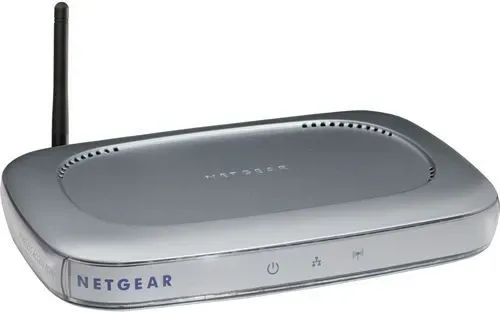 WG602FS - Netgear WG602 Wireless Access Point IEEE 802.11b/g54MbpsWireless
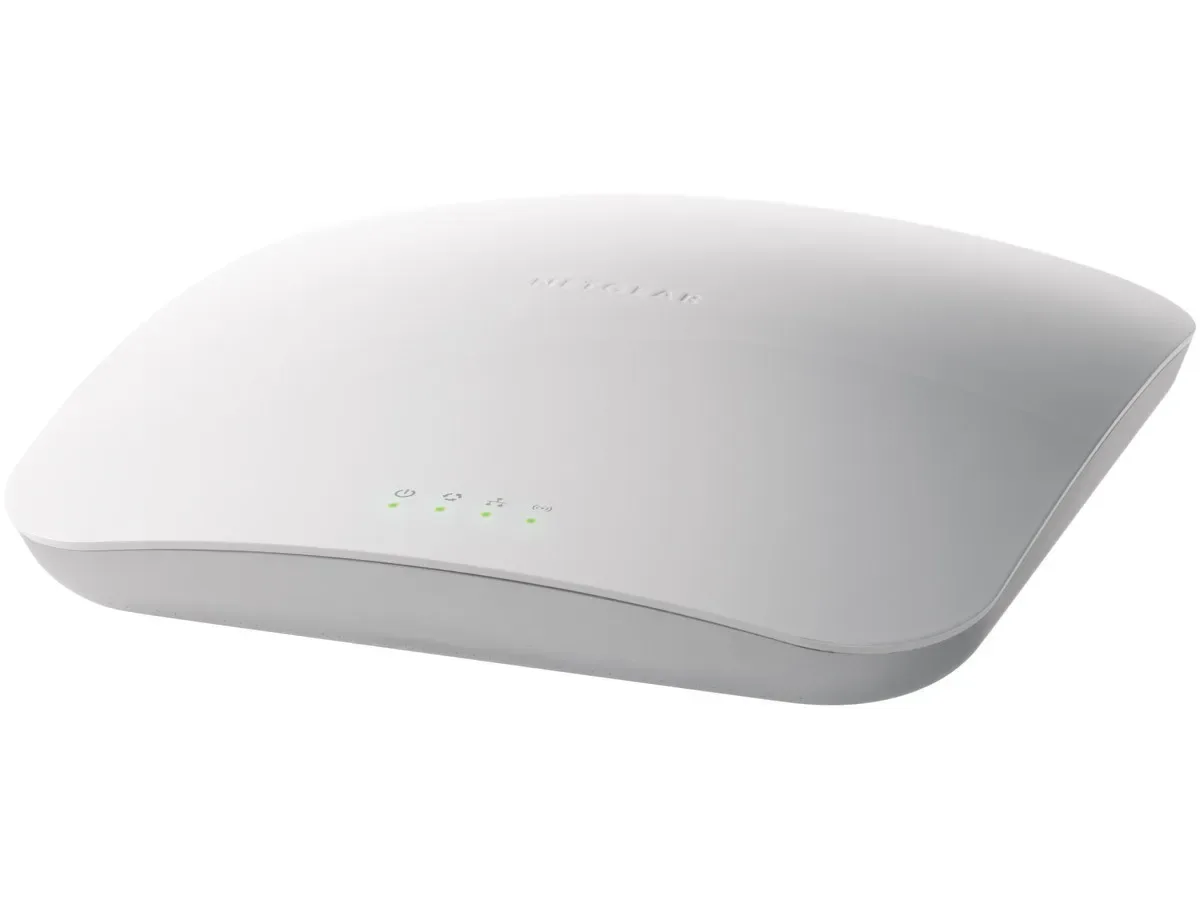 WNAP320-100NAS - Netgear PROSAFE WIRELESS-N ACCESS POINT WNAP320 - Wireless
 WG302 - Netgear Wireless Access Point 108Mbps
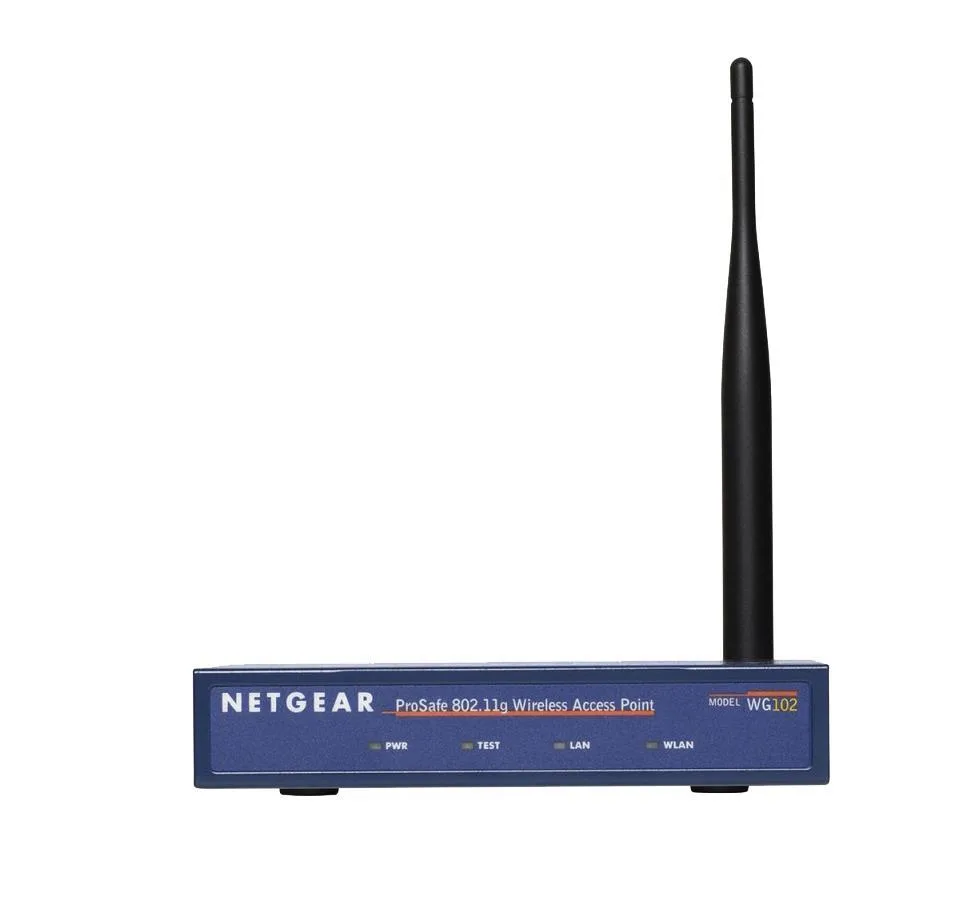 WG102DLNA - Netgear Wireless Access Point 108Mbps
 WPN802IS - Netgear Wireless Access Point 108Mbps
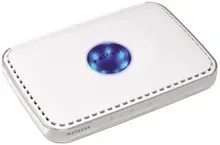 WPN802NA - Netgear Wireless Access Point 108Mbps
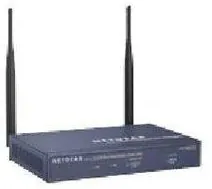 WAG102NA - Netgear Wireless Access Point 108Mbps
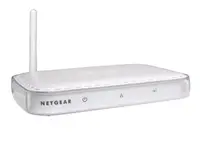 WG602MES - Netgear Wireless Access Point 54Mbps
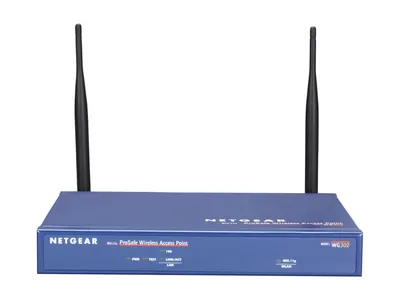 WAG302NA - Netgear Wireless Access Point 108Mbps
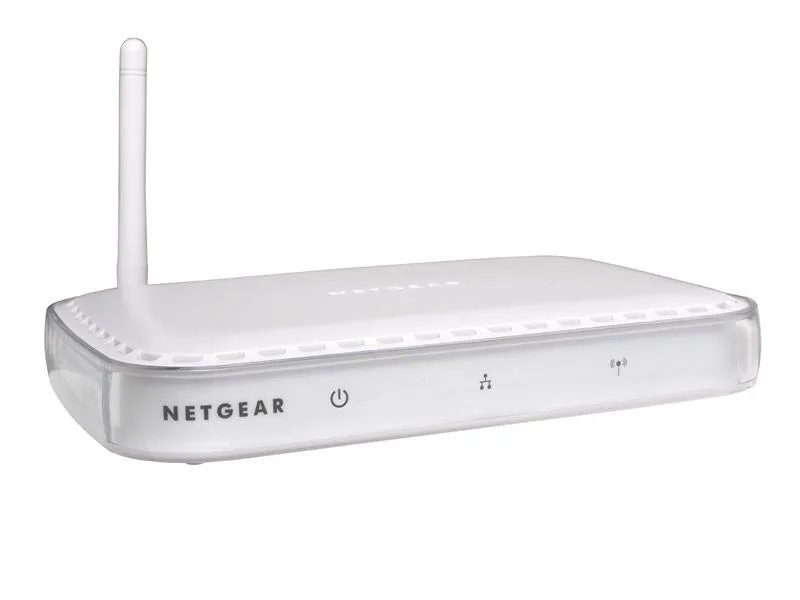 WG602 - Netgear Wireless Access Point 54Mbps
 WG302GE - Netgear ProSafe WG302 Wireless Access Point IEEE 802.11g IEEE
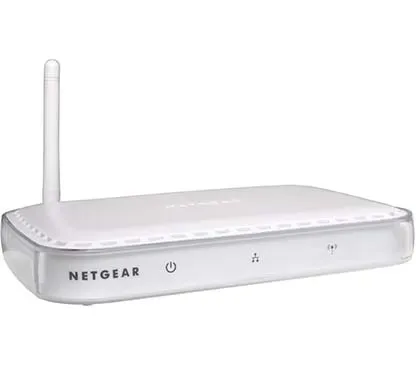 WG602DLIS - Netgear WG602 Wireless Access Point 54Mbps
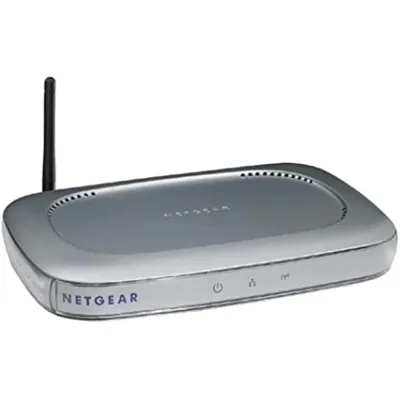 WG602DLGR - Netgear WG602 Wireless Access Point 54Mbps
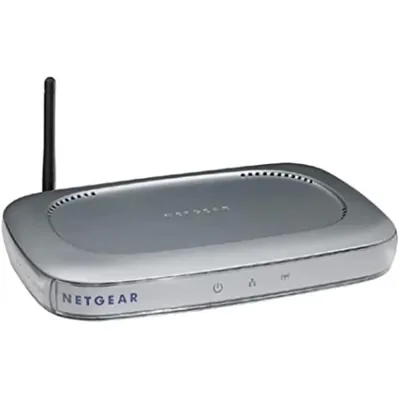 WG602DLFS - Netgear WG602 Wireless Access Point 54Mbps
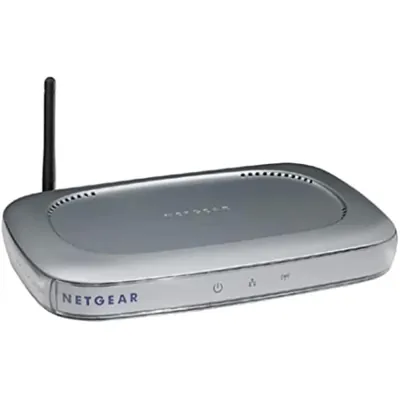 WG602DLUK - Netgear WG602 Wireless Access Point 54Mbps
 WAG102EU - Netgear WAG102 Wireless Access Point 108Mbps
 WG302UK - Netgear WG302 Wireless Access Point 108Mbps
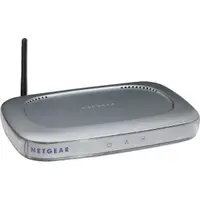 WG602UK - Netgear WG602 Wireless Access Point 54Mbps
Browse all 174 Wireless Access Points SKUs.