Dell PERC RAID Controllers
PowerEdge RAID Controller cards, internal and external, across PERC generations
About RAID Controllers
PERC stands for PowerEdge RAID Controller, and it is Dell's RAID card family. The naming is unusually informative once you know how to read it.
Reading a PERC model number
- Numeric generations - PERC 3, PERC 5, PERC 6, the earlier cards
- H-series - H200, H310, H330, H700, H710, H730, H800, H810, H840, the modern range
- Within the H-series the hundreds digit broadly tracks capability: the 200 and 300 cards are entry level, the 700 series is the mainstream cached controller, and the 800 series is external-facing
- An E suffix on the older cards, as in PERC 5/E and 6/E, means external ports for attaching a JBOD enclosure. An i means internal.
RAID mode and HBA mode
Not every PERC is a full RAID controller in practice. The entry-level cards, notably H200 and H310, are commonly used in HBA or IT mode, presenting disks directly to the operating system rather than hiding them behind a RAID volume. That is what software-defined storage and ZFS-style filesystems want; they need raw disks, and a RAID controller that insists on presenting volumes gets in the way.
Conversely, if you want hardware RAID with a battery-protected write cache, an entry-level card will not provide it - it has no cache to protect.
Cache and battery
Cached PERCs ship with 256MB, 512MB, 1GB or 2GB of write cache, protected by a battery or, on later cards, a flash-backed module. As with any cached controller, a failed battery causes a silent fallback from write-back to write-through and a sharp drop in write performance.
Before you swap
PERC stores array metadata on the drives, so a complete drive set moved to a compatible controller generally imports as a foreign configuration that can then be accepted. Treat that as a family characteristic rather than a guarantee, and never move an array without a restorable backup.
Send us the PowerEdge model and whether you need RAID or plain HBA behaviour and we will match the card, cache and cabling.
Featured RAID Controllers Products
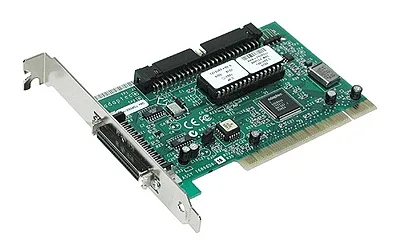 66089 - Dell PERC 2 RAID Controller$143.83
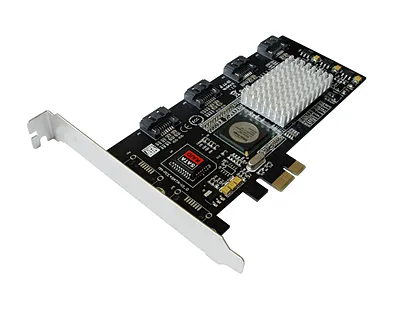 0UCS51 - Dell PERC 5i SAS RAID Controller$127.54
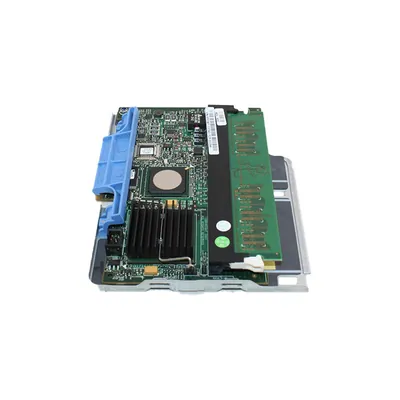 UCS51 - Dell PERC 5i SAS RAID Controller$138.51
 H145K - Dell Perc Raid Controller for Blade$140.00
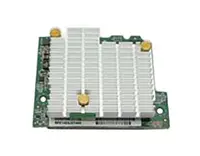 0H145K - Dell Perc Raid Controller for Blade$105.12
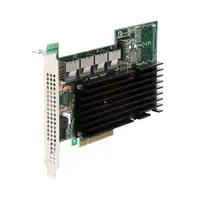 0NP007 - Dell PERC 5I/6I RAID Controller Tray$89.36
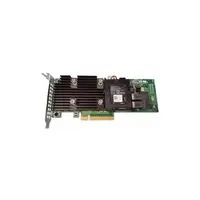 14550 - Dell PERC 2 Single Channel RAID Controller$68.00
 NP007 - Dell PERC 5I/6I RAID Controller Tray$88.22
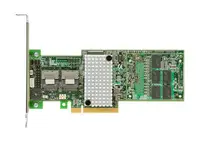 03512D - Dell PERC 2 16MB RAID Controller Card$244.94
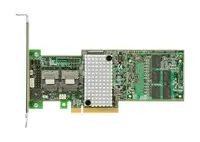 3512D - Dell PERC 2 16MB RAID Controller Card$308.32
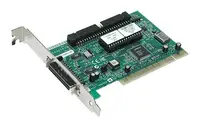 88668 - Dell PERC 2 PCI SCSI RAID Controller$88.26
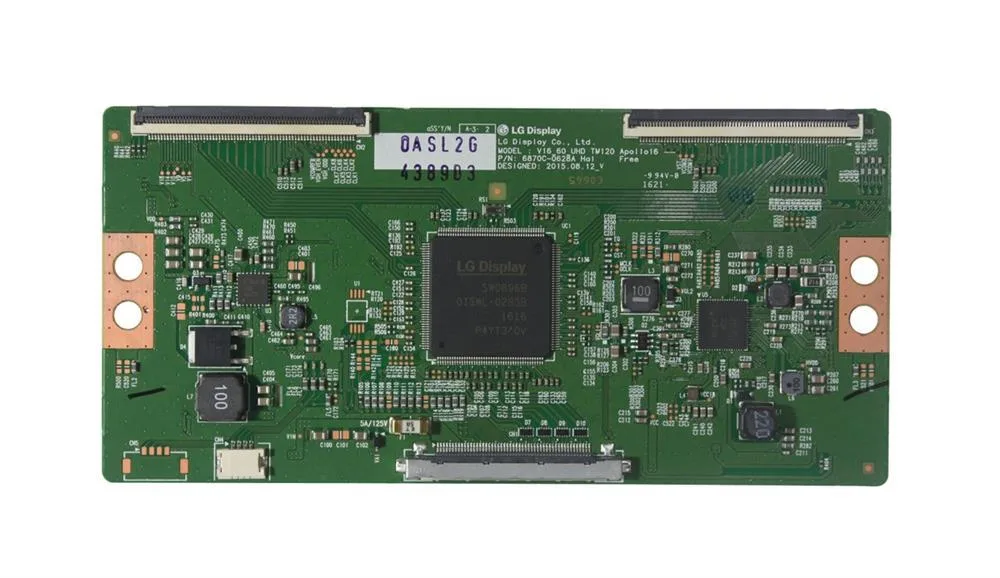 0004389D - Dell PERC 2dc PCI SCSI RAID Controller$351.75
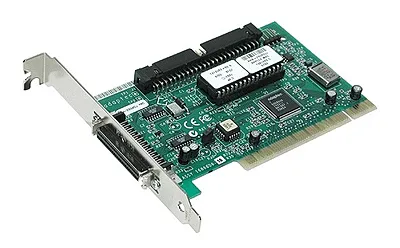 0001631T - Dell PERC 2dc PCI SCSI RAID Controller$518.73
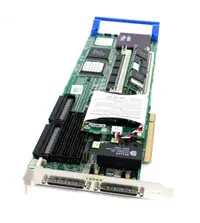 08839P - Dell PERC 2 DC SCSI RAID Controller$122.05
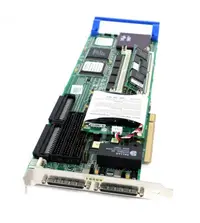 8839P - Dell PERC 2 DC SCSI RAID Controller$140.00
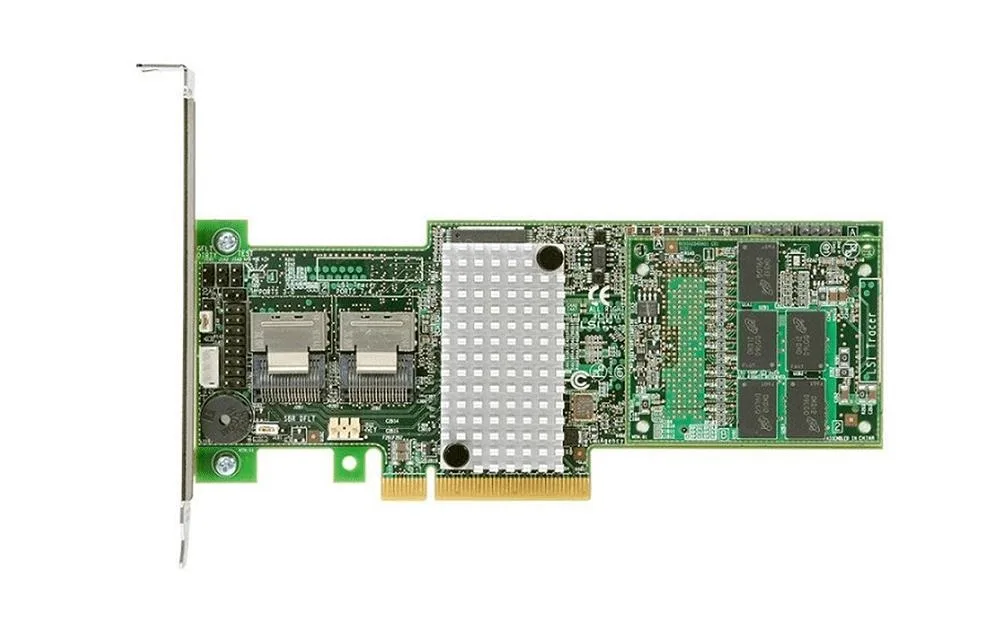 03H9DG - Dell PERC H200 SAS Controller for R610
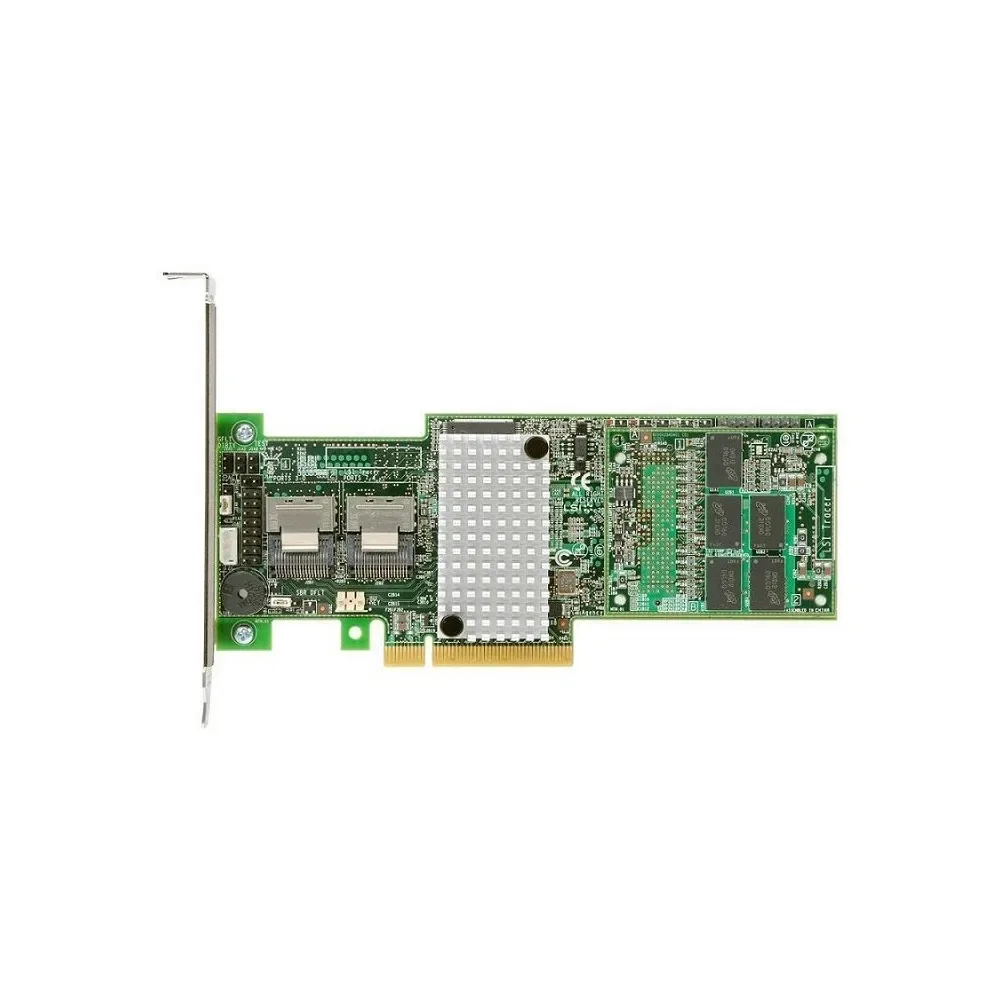 3H9DG - Dell PERC H200 SAS Controller for R610
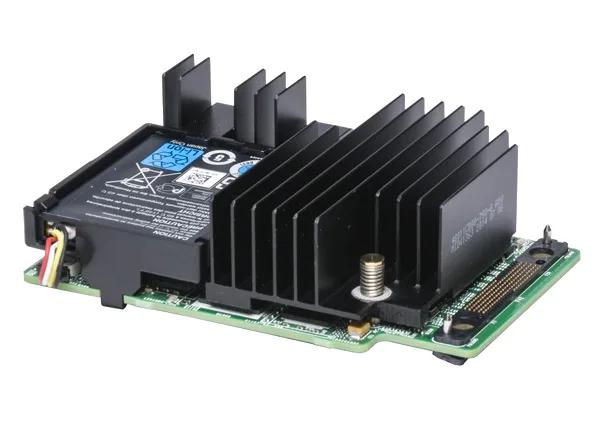 405-AAEJ - Dell PERC H730 Integrated RAID Controller$36.00
Browse all 2,090 RAID Controllers SKUs.